TMJ

Technically, the TMJ is the temporomandibular joint, but TMJ is the widely recognized term for problems with or the pain of the joint. The joint is the hinge that connects the temporal bones of the skull to the jaw. This hinge allows the jaw to move up and down and side to side. Without the hinge, it would be impossible to talk, yawn, or chew.

Problems with the TMJ should, more appropriately, be called TMD or temporomandibular disorder.

TMD is a condition of the jaw that causes severe discomfort or pain. TMD occurs more in women than in men, and it is more common between the ages of 20 and 40. The problem could be on just one side of the face or both sides, and it can be temporary or last many years.

TMD can be brought on by several factors, such as clenching or grinding of the teeth, arthritis, stress, or abnormal movement of the disc between the ball and socket of the jaw.

Call our office today if you have any of the following symptoms: 

  • Jaw popping when chewing or talking (painful or not)
  • Swelling of the cheek or jaw areas
  • A tired feeling of the face
  • Pain of the jaw, face, neck, or shoulder areas when moving the jaw
  • The feeling that the upper and lower teeth do not fit together correctly
  • Problems opening the mouth
  • Jaw locked in the open or closed position 

Dr. Galvin can diagnose and treat TMD. If you are experiencing persistent pain or tenderness or cannot fully open or close your mouth, call the office to see Dr. Galvin immediately.

Wisdom Teeth

“With age comes wisdom.” Most of the time, anyway. Wisdom teeth received their name because they usually erupt through gums between the ages of 17 and 21. Since that age is considered to be the transition to adulthood, it is assumed that you now have wisdom.

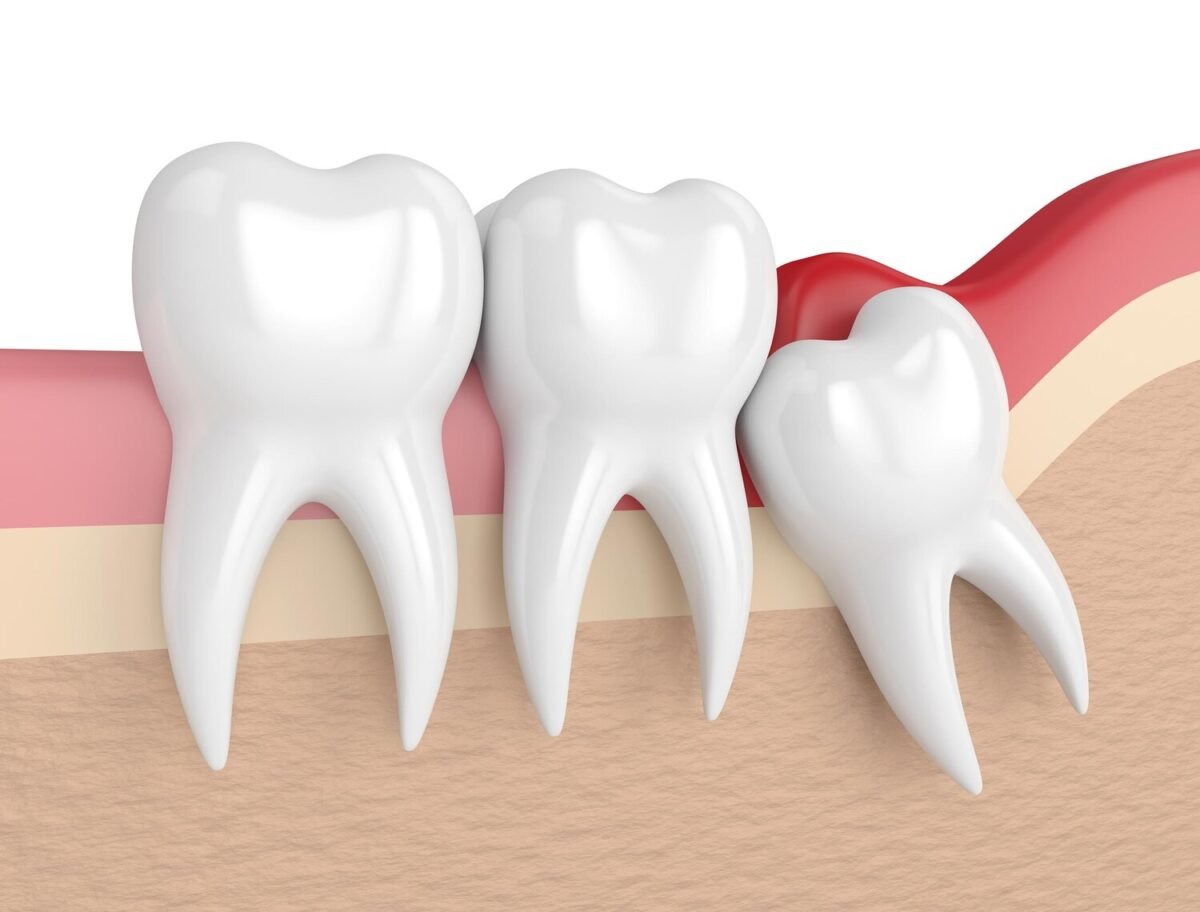
The wisdom teeth are the two top and two bottom teeth at the very back of the mouth, and when they come in, they finish out the total adult set of 32 teeth. 

Just as with babies teething, wisdom teeth erupting through the gums will cause some discomfort, but if there is outright pain, you should call Dr. Galvin for an examination. When correctly positioned in the back of the mouth, the wisdom teeth will be the strongest and widest teeth with which to chew food.

Difficulties with the wisdom teeth are often due to there not being enough room for them to come in, or they come through in the wrong position. If the teeth become trapped in the jaw or under the gums, it is called an impaction.

Over 10 million people have their wisdom teeth removed in the United States every year. Impaction is the main reason. Other problems could necessitate extraction, including infection or gum disease, but even if these teeth come in as they should, they will need to be monitored for the rest of your life to avoid any other problems.

Fillings

Plaque and bacteria left on teeth for a prolonged period of time will cause cavities (caries). A cavity is an area of decay in the tooth enamel. Cavities need to be repaired as soon as possible to prevent the decay from spreading to a larger area.

The decayed area that is removed from the enamel will need to be replaced with a “filling.” A filing consists of special materials that are specially made to seal the tooth to prevent bacteria from entering the body through the damaged area of the tooth. Progressive decay could lead to the need for bigger and more expensive procedures to fix the tooth or even cause tooth loss.

When Dr. Galvin fills a cavity, he administers anesthetic around the tooth with decay. When appropriately numb, the area of the cavity is prepped, and then, the filling is placed.

The material chosen for a filling will depend on the position of the filling in the mouth, the durability needed for chewing purposes, and patient budget. Dr. Galvin will help you decide which one is the best solution for you.

Choices range from gold, silver amalgam, porcelain, or composite resin.

Root Canal

Root canals are procedures used for the treatment of badly decayed or infected teeth. Infection must be removed from the oral cavity quickly to prevent tooth loss. A prolonged infection will spread to other areas of the mouth. Saving the tooth is always the healthiest option. Overall health has been linked to oral health, and the goal is to preserve as many natural teeth through adulthood.

If the canal of the root is stable enough to preserve, a “root canal” is done to remove the damaged nerve and pulp inside. After scooping out the nerve and pulp, the inside of the tooth is sterilized and then filled with a rubber compound called gutta percha. The gutta percha is packed into the empty root, and a filling is placed to close the small opening used to access the root.

The top of the tooth is then prepared to receive a crown, which acts to cover the damaged tooth. Usually, a temporary crown is required while waiting for the permanent crown to be manufactured. At a second dental visit, the permanent crown is cemented into place.

Invisalign

Are you looking to fix crooked teeth? Galvan Dental Care offers the Invisalign teeth straightening system for anyone looking to avoid all the wires and brackets. There is no longer a cause for the “brace face” stigma and no longer the need to worry about breaking wires.  

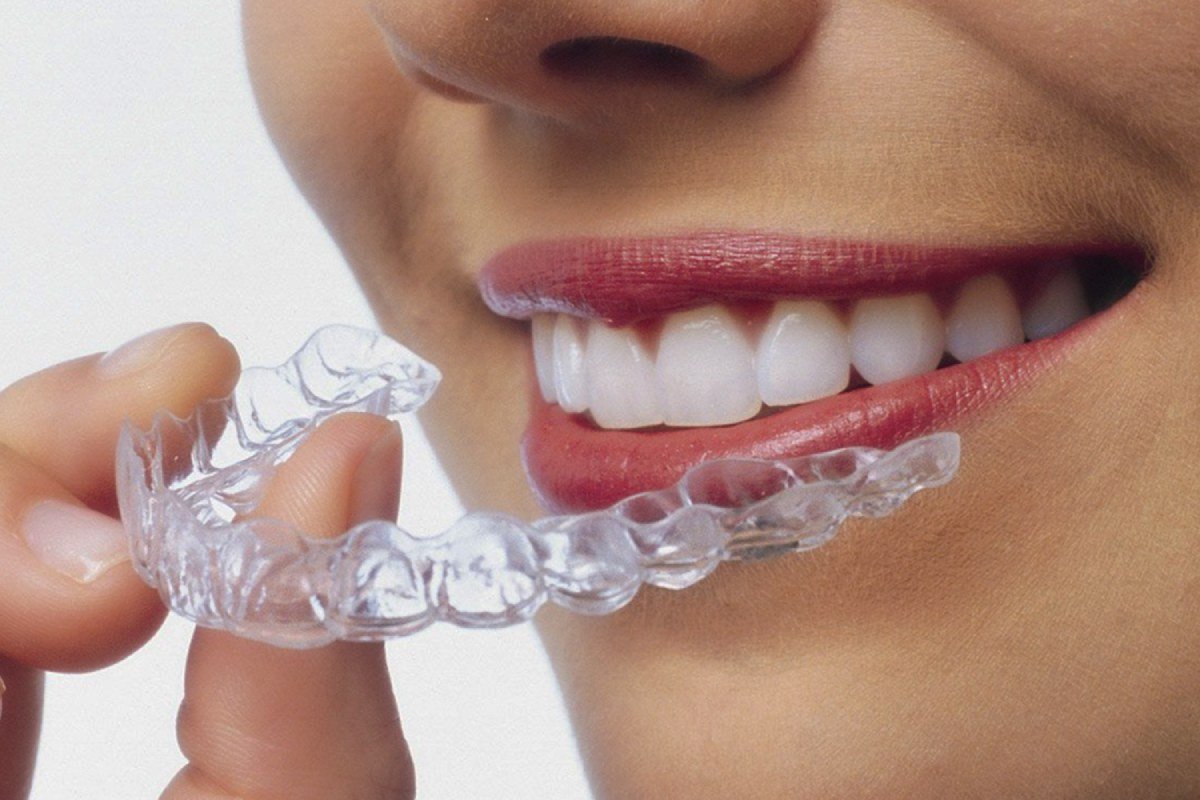
Invisalign provides more comfortable teeth straightening with an advanced system of clear “aligners.” Invisalign is the #1 dentist-recommended clear aligner treatment and is the most advanced aligner system available for adolescents and adults. The revolutionary Invisalign system has over 900 patents filed.  

This alignment system can straighten all but the most severe misalignments. While severe cases could require traditional braces, Invisalign works on most degrees of crooked teeth. A consultation with Dr. Allen will easily identify if Invisalign is right for you.  

These aligners are not simply retainers. This system provides a series of aligners made of a special clear material that is worn daily to guide the teeth into a better position gradually. Most people cannot even tell you are wearing these aligners unless you tell them.  

Each set of aligners is worn for a specified amount of time (determined in your treatment plan), usually a week or two, and then, the next set is started. Checkups are scheduled for every four to six weeks to monitor progress and pick up the next set of aligners.  

Call Dr. Galvan today to start your journey to a straighter smile.

Braces

Orthodontics is a dental specialty that provides many different areas of treatment, although most people think immediately of braces.

A great smile is only one benefit of straight teeth. Self-confidence and a sense of well-being can be affected by crooked teeth, as well as the ability to eat and speak correctly.

Traditional braces are smaller and now less noticeable than the big wire braces many of us associate with “metal mouth.” New dental technology advances have produced a heat-activated wire that uses body heat in the process of moving teeth. This new technique is less painful than before.

Traditional braces are the least expensive straightening option. Most teens dread traditional metal braces, but the newer, smaller ones are less conspicuous, and colored bands now make the metal braces more fun and personalized.

Ceramic braces consist of teeth-colored brackets and tooth-colored wires that blend in more naturally with teeth to make them much less noticeable.

Both traditional and ceramic braces move teeth faster than the available aligner systems, usually making the visibility of the braces less of a concern to most people.

Lingual braces are metal but are less visible, as they are attached to the back of teeth instead of the front. These braces are more expensive than traditional braces and are more complicated to clean, as well as require more adjustments and office visits.

Teeth Cleaning

Keeping a healthy mouth through adulthood requires proper dental hygiene. Good daily cleaning is imperative, and a professional cleaning every six months is also important. Flossing and the use of antibacterial mouthwash are also important as additional steps to reducing the plaque and bacteria in the mouth.

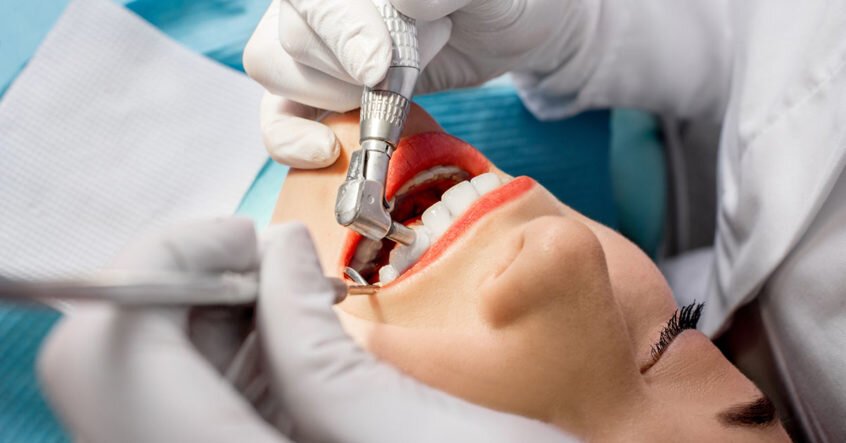
Professional cleanings are done in the office by a certified dental hygienist, who has been trained to clean teeth with special tools properly. These intense cleanings are needed to remove the plaque and tartar that even good daily cleanings cannot. Plaque must be removed from teeth to prevent cavities, gingivitis, and periodontal disease.

Plaque scaling is the first step to the cleaning. Special tools are used to remove the plaque from the gum line and between the teeth. There will always be some degree of scaling necessary during these cleanings, but the amount of time spent during this process can be reduced by staying diligent with brushing twice a day, flossing, and using mouthwash.

After the scaling process, the tooth enamel is scrubbed with a special gritty toothpaste. The toothpaste comes in many different flavors, including bubblegum and chocolate, but it is not available to buy for the general public. Using this toothpaste is only recommended twice a year to prevent damaging the tooth enamel.

An exam by Dr. Galvin then follows a professional flossing and a good rinse.

Call the office to set up your next professional cleaning soon.

Veneers

There are many ways to improve your smile. For patients with discolored or abnormally shaped teeth, a veneer is one option available for a better smile. Veneers can be used to change the color, shape, size, or length of teeth. Depending on patient preference and budget, the veneer is also available in different materials.

A veneer is color-matched to the natural teeth and looks like a real tooth. Once manufactured, the veneer is placed over a tooth or teeth to cover chips, worn teeth, stains, or gaps between teeth. Veneers are sometimes chosen because it does not require as much removal of tooth enamel to place them as it would if a cap or crown were being placed.

Porcelain veneers are harder to stain, strong, and last a long time.

Composite resin veneers are tooth-colored material that is bonded directly onto the tooth. It can be applied in fewer office visits and also takes less tooth enamel removal than caps or crowns. While composite resin veneers are not as strong as porcelain ones, they provide a less expensive option and are also easier to fix if they get damaged.

Call Galvan Dental Care today to make an appointment to discuss veneers with Dr. Galvin.

Dentures

Dentures are custom-made pieces that restore your smile by replacing several missing teeth or an entire arch of teeth (either the upper or lower row). Dentures are adjustable for patient comfort. After initial placement, adjustments are made to prevent rubbing or irritation of the mouth while eating and talking. If new areas of irritation appear, call the office for an appointment for another adjustment.

Dentures are removable for cleaning and need to be placed in water before going to bed. Removing the dentures at bedtime allows the gums to rest while stimulating the tongue and saliva in their natural cleaning process, and they are placed back in the mouth in the morning.

Cleaning dentures is the same as brushing natural teeth. Gentle brushing every day is required to remove plaque buildup, and effervescent cleaners help make cleaning easier by loosening plaque and debris while soaking overnight.

Depending on how many teeth are missing will determine what type of denture will be required.

Partial dentures are used when only some teeth are missing. Replacement teeth are attached to a pink-colored or gum-colored base with a metal framework. The denture fits between the remaining teeth to hold it in place.  

Complete dentures are used when an entire arch is missing, either upper, lower, or both arches. 

Call Galvan Dental Care today to make an appointment to discuss your best possible options with Dr. Galvan.

Dental Sealants

Did you know that children are at a higher risk of cavities from the age of 6 to 14? The back teeth are especially prone to cavities, where it is harder to reach while brushing. You can help your child avoid cavities by asking Dr. Galvan to apply dental sealants and continuing to encourage a good brushing and flossing regimen.

The Center for Disease Control and Prevention (the CDC) reports that dental sealants are beneficial in preventing cavities. Sealants are relatively inexpensive, simple to apply, and help avoid the expense of future fillings. Avoiding future cavities will save not only time but also the pain of having fillings applied.

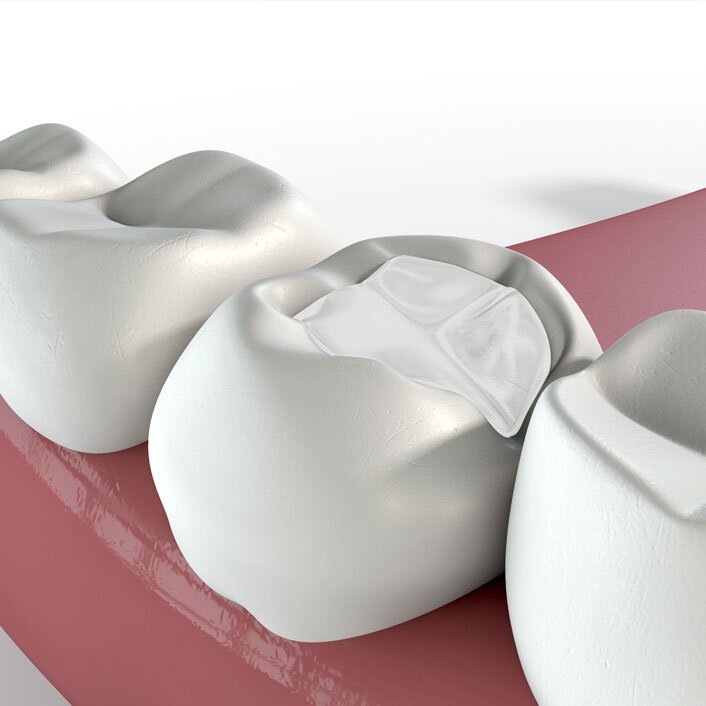
Dr. Galvan will use a small brush to apply a plastic coating to the nooks and crannies of the teeth (usually in the back of the mouth on the molars and premolars). The coating works as a seal and prevents food and bacteria from building up in the grooves, protecting the teeth during this vulnerable period of development. It is the food and bacteria that create cavities when not cleared away from the teeth by brushing.

Sealants can last up to ten years, but they also need to be routinely inspected. A new coat can be applied if chipping or wear occurs.

Our office staff can help with insurance questions about sealant coverage, although most dental insurance companies cover the cost of sealants for children under the age of 18.

Call us today to make an appointment to protect your children’s teeth with sealants.